



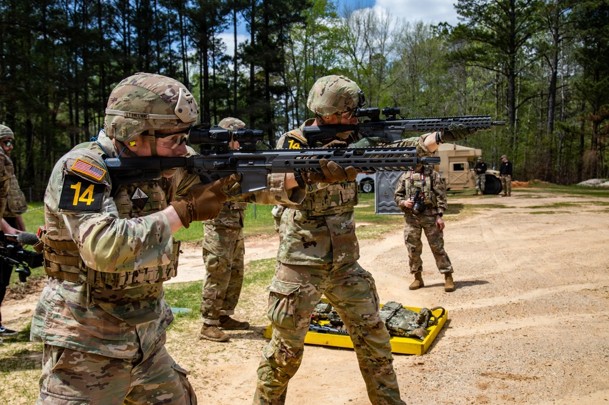
How to Build an Effective Military Kit: Essential Gear for New Soldiers and Lieutenants
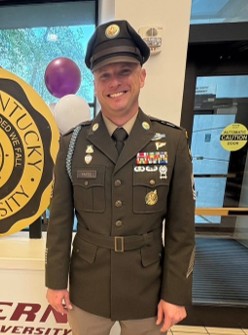
An effective military kit isn't built by buying every pouch on the shelf. It's built gradually, through training, by adding only the gear you've tried, tested, and shown you actually need. Start with boots, a belt, mag pouches, and a hydration source. Add accessory items only once your role demands them.
I've spent more than twenty-one years as an Infantryman and leader in the United States Army. I've been a gunner, a breach man, a rifleman, a squad leader, and Senior NCO responsible for equipping and training other Soldiers. In that time, I've watched hundreds of new privates and lieutenants make the same mistake: they think a great kit comes from a great shopping list. It doesn't. It comes from time in the field, honest self-assessment, and a willingness to strip away anything that doesn't earn its place.
This guide explains how I approach building a kit from the ground up with the right military gear essentials. I'll cover why I prioritize a budget-conscious, mission-driven mindset over buying everything at once, how I rank gear by role, what I consider a practical minimalist rifleman's loadout, and where I'd spend my first dollars if I were starting over today.
The Core Principle: Every Item on Your Kit Has to Earn Its Place
I treat my plate carrier like prime oceanfront real estate. There's no room for anything that doesn't add real value. If a piece of gear doesn't make me more lethal, more mobile, or solve a genuine problem, it doesn't make the cut.
A streamlined kit that's been tested and refined through actual training will consistently outperform one assembled from a wish list. Instead of filling every inch of available MOLLE space, focus on mastering the fundamentals first and learning — through repetition — what actually works for your mission and your body.
Training Beats Gear, Every Single Time
I hear it constantly from younger troops: "If we just had better equipment, things would be different." After two decades in uniform, I can tell you that even the best gear only gets you so far. What actually makes a difference is time spent training and testing what works for you, in your specific role, under realistic conditions.
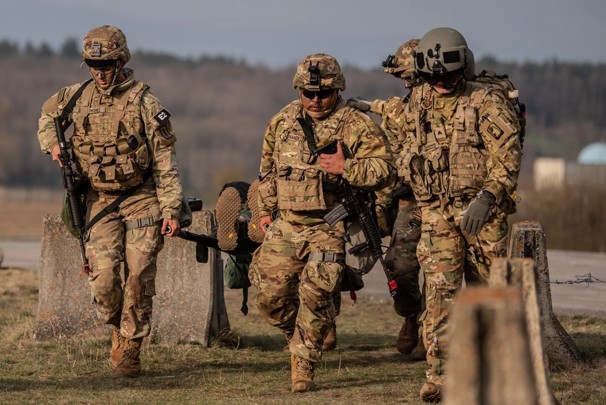
Younger Soldiers tend to fall into the "gear solves everything" trap more than experienced troops do. But here's the reality: your kit has to let you jump, climb walls, pull yourself onto rooftops, sprint, crawl, and maneuver quickly while staying lethal. Excess weight and clutter from "tacticool" add-ons work against you in every one of those situations.
I've long believed combat arms units should be equipped differently than combat support and service support roles, given how different the physical demands are. Until policy catches up with that reality, the answer is to become an expert in the basics:
- Mag changes — done fast and clean, without hesitation
- IFAK and tourniquet access — reachable instantly, without fumbling
- Radio channel changes — by feel, without needing to look
Standards on gear often come down from senior leadership, and in my experience, uniformity sometimes gets prioritized over practicality — especially following professional military education, when there's a push to make everything look identical across a formation, even though different jobs carry genuinely different requirements. That said, this varies a lot by unit and leader, so take it as one perspective rather than a universal rule.
How to Build a Kit Around Your Role
Every position I've held came with different physical demands, and your kit needs to reflect that reality rather than a generic template.
Early in my career, I might be a gunner on a truck during the day, a breach man and rifleman on a night raid, and part of a small precision fire unit the next night. Your kit has to adapt to whatever mission you're conducting at that moment. What works for a six-foot-plus Soldier won't necessarily work for someone five-foot-six. That's part of why I — and a lot of Soldiers I served with — shifted to racks worn over slick plate carriers instead of a single fixed setup.
Some Soldiers swear by a combat belt for carrying heavier gear. I tried it, but given my build, I preferred keeping weight on my plate carrier or in my pack instead. That's the kind of preference you only figure out through real use, not by reading a gear review.
A Minimalist Kit for New Riflemen
New Soldiers often overcomplicate their first kit. My advice: keep it simple and effective.
1. Triple stacker mag pouch. This covers your required basic load. Get something reliable — fast, secure ammo access is priority one.
2. IFAK. Keep it well-marked and reachable with your off hand. This is one area where standardization genuinely makes sense across a formation.
3. One-quart water source. I've always preferred this over a hydration bladder alone when I had to leave my pack at a hide site or objective rally point. It keeps you mobile and hydrated without added bulk.
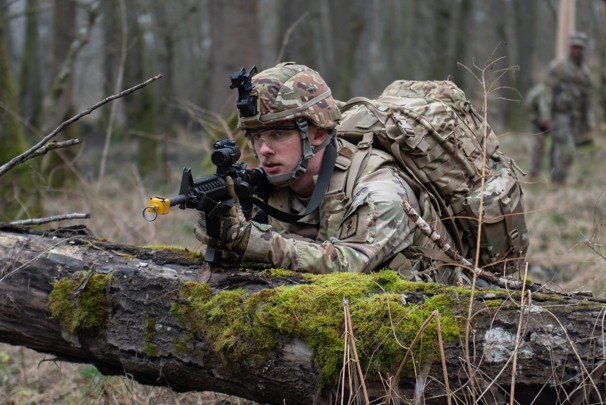
Optional Add-Ons Worth Considering Later
Only add these once you've proven you need them:
- Radio pouch
- Dangler pouch (front, fanny-pack style) or butt pack (rear)
- Utility pouch — I personally never relied on one; I used pockets or tucked items between vest and chest until I could refit
Buy Once, Cry Once: A Mistake Worth Avoiding
Don't waste money on cheap airsoft-grade or low-quality replica gear. I made that mistake early in my career, when money was tight with a young family. Those items failed faster under real use and ended up costing more in the long run. The lesson: buy quality gear once instead of replacing cheap gear repeatedly.
Where I'd Spend My Money First, In Order
If I were building a kit from scratch today, here's the order I'd prioritize purchases.
1. Boots
This is the first purchase any new Soldier should make. There's enough to consider when choosing a first pair of aftermarket boots that it deserves its own dedicated guide — fit, break-in period, terrain, and mission all factor in.
2. Belt
The issued belt rarely fits or stays put for everyone — it never did for me. I wore the same aftermarket belt for over a decade. Look for one that weaves through the buckle and back onto itself, secured with Velcro. Rigger's-style belts from established tactical brands tend to hold up well.
3. Mag Pouch
A well-built triple stacker mag pouch is typically far more secure than anything standard issued. Some Soldiers prefer individual single-stacker pouches over a connected triple — that's a matter of personal preference and body type, so test both if you can.
4. Hydration System
For on-body carry, a one-quart or one-liter container tends to outperform a bladder alone. For your pack, look for a low-profile bladder from a reputable manufacturer. Newer low-profile bladders with a mid-hose disconnect are worth a look — they let you disconnect the hose and refill without rethreading it through your kit or pack straps every time.
5. Accessory Pouches
These start to matter once you move into a leadership or specialty role that requires more readily accessible items — think admin pouches or danglers secured at the bottom of your kit. Whatever you choose, size it so it doesn't interfere with your ability to access your other pouches.
Lieutenants: your weapon will soon become a radio rather than your personal rifle. That's not permission to neglect marksmanship — stay proficient. But if you're spending most of your time on the range instead of learning to lead your platoon, something's off.
Once the fundamentals are dialed in, creature-comfort upgrades for the field are worth considering: a compact camp stove, a lighter sleep system, and better waterproof bags.
Advice for New Soldiers Arriving at Their First Unit
Let your team leader — or at minimum a squared-away battle buddy — help you set up your kit when you arrive. You're a direct reflection of your leadership, and looking squared away from day one matters. That means:
- Everything properly woven through MOLLE webbing and secured
- No dangling straps
- Nothing shiny that could reflect light
- Quiet when you move — rattling gear is a good way to get noticed for the wrong reasons
For accessibility, prioritize gear placement in this general order: magazines, radio, IFAK, water, then everything else — adjusted based on your specific role and preference.
Advice for New Lieutenants and Cadets
Don't rush out and buy a full "cool guy" kit before you know your branch or unit. Cadets in particular won't lock in a branch until well into senior year, so stick to a minimalist approach on the kit itself. Use that time instead to figure out which boots, belts, socks, and undershirts genuinely work for you — those choices tend to stay consistent for years.
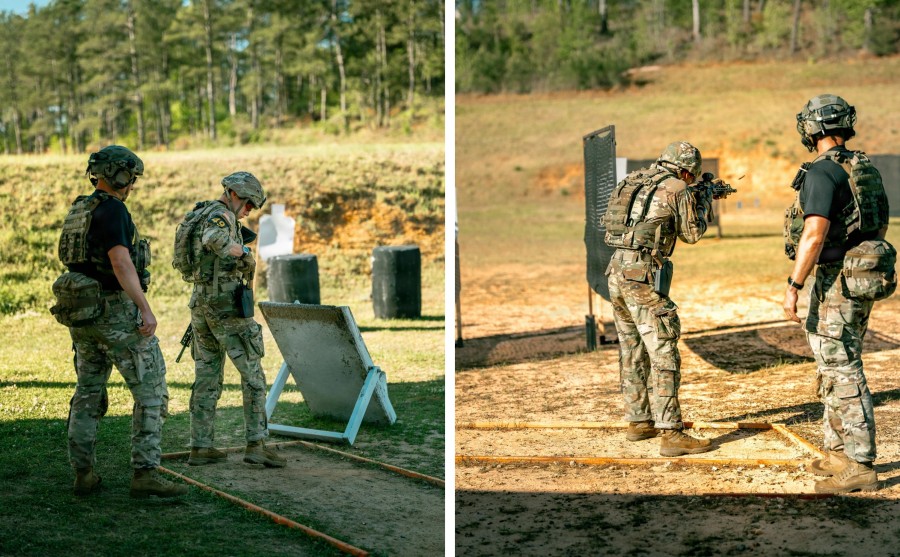
Once you reach your first duty station, you likely won't get a platoon right away. You'll probably spend time in a staff section first. Use that period to watch live fires and study what the best performers are doing with their kits — both what works and what causes problems. Treat that observation window as valuable preparation, so that when you do take over a platoon, your energy goes toward leading rather than figuring out your gear.
If your unit allows aftermarket plate carriers and one feels right for your body and mission, it's worth considering. Ask yourself: does this make me bigger, faster, stronger, or more lethal? If yes, it's worth pursuing. If not, be ready to explain why a training or gear choice might be hurting readiness.
Master the Basics
Everyone's body, preferences, and mission requirements are different, no matter what any single standard suggests. Master the basics first — that's really all "high speed" means — and then adjust your kit to fit your role and your body. Focus on looking competent and being effective rather than looking tacticool. Build your kit around real capability, not aesthetics.
This advice comes from more than two decades in infantry, reconnaissance, training, and leadership roles, along with countless conversations with other experienced NCOs and officers. Not everyone will agree with every point here, and that's fine — different units and missions create different realities. For new Soldiers and Lieutenants heading to their first unit, I hope this adds real value as you build your own kit from the ground up.
Frequently Asked Questions
What's the most important first purchase for a new Soldier's kit?
Boots. Everything else — belt, mag pouch, hydration — matters, but boots affect mobility and injury prevention more than any other single item. Explore our staff picks for the best boots.
How should gear be prioritized on a plate carrier?
By accessibility to what you need fastest under stress: magazines first, then radio, then IFAK, then water, then everything else — adjusted for your specific role. Check out our staff picks for the best plate carriers.
How much should a new Soldier expect to spend on aftermarket gear?
Less than most expect if they're patient. Prioritize boots, belt, mag pouch, and hydration first — those cover the vast majority of daily needs. Accessory pouches and specialty items can wait until a role actually requires them, which saves money and prevents clutter.
Is it better to buy cheaper gear now and upgrade later, or invest in quality upfront?
Invest in quality upfront where it matters most — boots, belts, and mag pouches see constant use and fail fast if they're low quality. Cheap replicas often cost more in the long run once you factor in early replacement.
Should gear differ between combat arms and combat support roles?
In practice, yes — the physical demands are different. Policy doesn't always reflect that, but Soldiers should still build their kit around their actual mission and role rather than a one-size-fits-all standard.
Related Posts
Disclaimer: The information in this blog post is for general informational purposes only and should not be taken as legal, regulatory, safety, or professional advice. Galls, LLC and its affiliates, including US Patriot, LLC, (collectively, the “Company”) distribute public safety and law enforcement products but do not manufacture the items discussed. All product details are based on manufacturer-provided information and have not been independently verified by Galls. We make no warranties regarding the accuracy or completeness of such information. Readers should consult the respective manufacturer or regulatory authority for the latest details.
For more detailed information, visit our Disclaimer Page.
 Item Added to Cart!
